Trezor.io/Start –
Cryptocurrency ownership gives you power, independence, and full control over your wealth—but it also demands strong security. With online threats rising every year, hardware wallets like Trezor remain one of the safest ways to store digital assets. Whether you have the Trezor Model One, Trezor Model T, or Trezor Safe 3, the official setup process begins at Trezor.io/start.
This completely new guide explains everything: how to set up your device, important security steps, advanced features, and practical tips to keep your crypto safe.
What Exactly Is Trezor.io/Start?
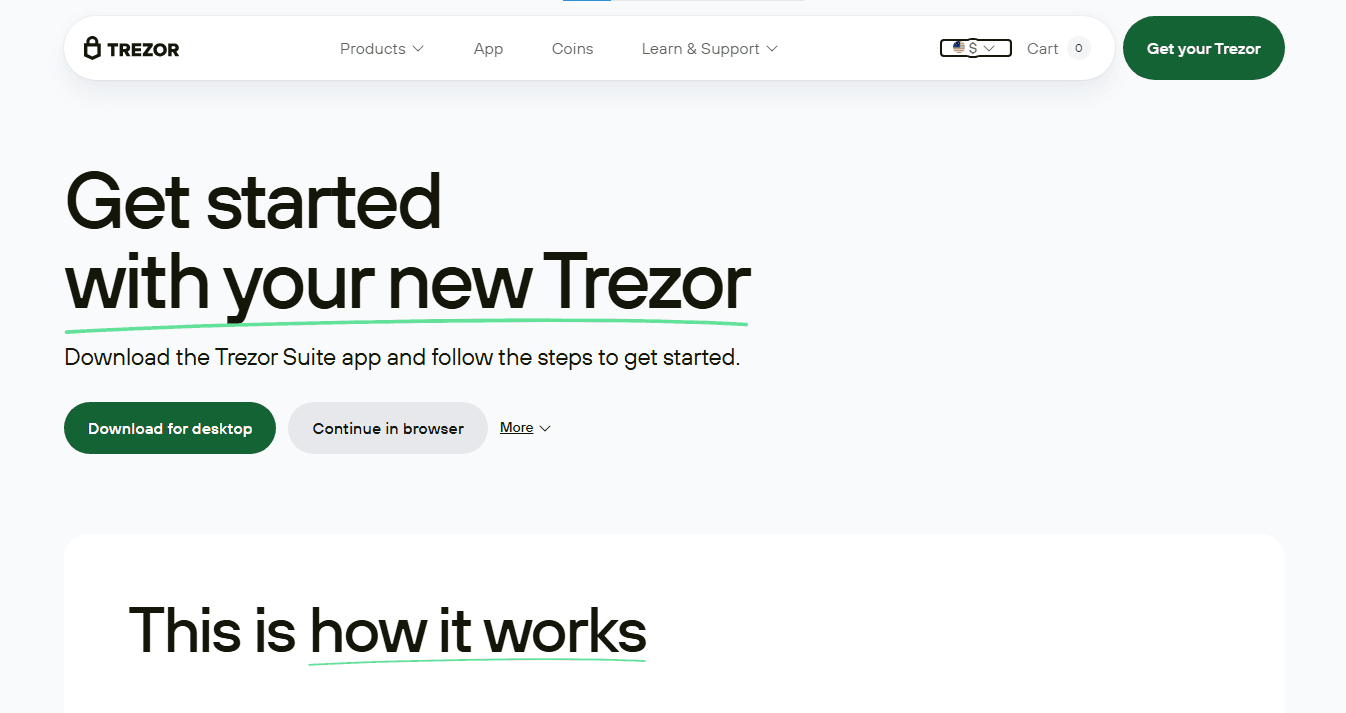
Trezor.io/start is the official Trezor onboarding website. It is specifically designed to help both new and experienced users set up a Trezor hardware wallet correctly and securely.
At this site, you will find:
The official download link for Trezor Suite
Step-by-step setup instructions
Firmware installation guidance
Troubleshooting tools
Security recommendations
Documentation for all Trezor models
Using only this official website ensures you avoid fake software and phishing attacks.
Why Using a Trezor Hardware Wallet Matters
Before starting the setup, it helps to understand why hardware wallets are important for protecting your crypto investments.
1. Offline Private Keys
Your private keys never leave the hardware device. They aren’t stored on your phone or computer, keeping them safe from hacking attempts.
2. Physical Confirmation
No transaction can be approved without manually confirming it on your Trezor device. This prevents unauthorized transfers.
3. Independent Wealth Control
Trezor gives you complete ownership of your assets—no banks, no exchanges, and no third-party custodial services.
4. Transparent Open-Source Code
Trezor’s firmware and software are fully open source, allowing continuous security audits from the global community.
Step 1: Visit Trezor.io/start
To begin, open your browser and navigate to Trezor.io/start.
Be sure the URL is correct to avoid phishing pages pretending to be Trezor.
At this page:
Select your Trezor model
Download the Trezor Suite software
Follow the prompts provided for your device
Once downloaded, install the software and prepare your Trezor device.
Step 2: Install Trezor Suite
Trezor Suite is the official desktop app used for:
Managing crypto
Creating and restoring wallets
Viewing balances
Sending and receiving assets
Adjusting security settings
Conducting firmware updates
Download options are available for Windows, macOS, and Linux.
After installation, launch Trezor Suite—you’ll be guided to connect your Trezor device.
Step 3: Connect Your Trezor Device
Plug in your Trezor using the USB cable included in the box.
Trezor Suite will detect your device and show instructions based on your model.
You may see prompts such as:
Install Firmware
Update Firmware
Create New Wallet
If your device is brand new, firmware installation will be required.
Step 4: Install or Update Firmware
Your Trezor comes without firmware for added security. Installing it through Trezor Suite ensures you’re using official, verified software.
During this step:
Click Install Firmware
Wait for the installation to complete
Do NOT disconnect the device
Once updated, your device will reboot and be ready for wallet creation.
Step 5: Create a New Wallet
Once firmware is installed, Trezor Suite will offer two options:
Create new wallet
Recover wallet
Choose Create new wallet if you want a fresh start.
Your Trezor will now generate a set of recovery words—the most important part of the setup.
Step 6: Write Down Your Recovery Seed
Your device will show a series of 12, 18, or 24 recovery words, depending on your Trezor model.
This seed phrase is the master key to your entire crypto wallet.
You MUST remember these rules:
Write the seed on the provided recovery card
Never take photos of it
Never store it online
Never type it on your phone or computer
Never share it with anyone
If your device is lost or damaged, you can recover everything using these words.
If someone else obtains your seed phrase, they can control your crypto.
Step 7: Set Up Security Options
After saving your recovery seed, Trezor Suite will recommend several security options to enhance your protection.
Create a PIN
Your PIN is required every time you unlock your Trezor.
Choose a strong one—avoid simple or predictable number patterns.
Enable Passphrase (Optional)
A passphrase acts as a “25th word” to your recovery seed.
It’s used to create a completely separate, hidden wallet.
Benefits of a passphrase:
Adds an extra shield
Protects from physical theft
Creates hidden accounts
This feature is powerful but should be used carefully.
If you forget your passphrase, that hidden wallet cannot be recovered.
Step 8: Add Cryptocurrency Accounts
Once your device is secured, start adding crypto accounts using Trezor Suite.
Supported assets include:
Bitcoin
Ethereum
Ethereum-based tokens (ERC-20)
Solana
Litecoin
Cardano
BNB Chain
Polygon
Dogecoin
And many more
Different coins use different blockchains, so you need to create separate accounts for each one.
Step 9: Receiving Cryptocurrency
To receive crypto into your Trezor wallet:
Select the desired account
Click Receive
View your receiving address
Verify the address on your Trezor device screen
Share the address with the sender
Always verify the address on the hardware screen.
Malware can alter on-screen addresses, but it cannot manipulate your device screen.
Step 10: Sending Cryptocurrency Securely
Sending crypto with Trezor Suite is simple:
Choose the account you want to send from
Enter the recipient’s address
Double-check the amount
Confirm the transaction
Approve it physically on your Trezor device
Transactions cannot be sent without your physical approval, which prevents unauthorized transfers.
Advanced Trezor Features Worth Exploring
Trezor devices offer many advanced features to maximize privacy and security.
1. Hidden Wallets
Hidden wallets use different passphrases, giving you multiple secret accounts invisible to anyone without the correct phrase.
2. Shamir Backup (Model T Only)
A Shamir backup divides your seed into multiple shares.
This is ideal for inheritance planning or distributed storage.
3. Tor Network Integration
Trezor Suite allows you to connect through Tor for improved privacy and anonymity.
4. Transaction Privacy Tools
Trezor supports privacy-enhancing features like CoinJoin to help make your transaction history harder to trace.
Essential Long-Term Security Tips
Even the best hardware wallet requires good user habits.
Use these long-term tips to keep your crypto safe:
Keep Your Recovery Seed Safe
Store your seed phrase in:
A safe
A fireproof container
A metal backup plate
A secure multiple-location system
Never store it digitally.
Beware of Phishing Attempts
Always use:
Trezor.io/start
Suite.Trezor.io
Fake sites may ask for your seed phrase—never enter your seed phrase on a website.
Keep Firmware Updated
Trezor releases improvements and security updates frequently.
Keep your device firmware current.
Use a Clean Computer for Setup
Avoid using public computers or unknown devices to set up or manage your wallet.
Troubleshooting Common Problems
Here are quick fixes for the most frequent Trezor issues:
Device Not Recognized
Try:
Changing the USB cable
Using a different USB port
Restarting your computer
Reinstalling Trezor Suite
Firmware Fails to Install
Solutions:
Enter bootloader mode
Restart the suite
Check your USB connection
Try another computer
PIN Forgotten
You must wipe the device and restore it using your recovery seed.
PINs cannot be recovered.
Passphrase Forgotten
Unfortunately, passphrases are unrecoverable.
You can still access your standard wallet (the one without a passphrase), but not the hidden wallet created with that passphrase.
Why You Should Only Trust Trezor.io/Start
The crypto world has many imitations and phishing attempts.
Starting at Trezor.io/start ensures:
Legitimate software
Secure firmware
Authentic instructions
No risk from malicious downloads
Always double-check the URL before proceeding.